
Choosing where your servers live is one of the most important infrastructure decisions a business makes. Colocation vs cloud hosting both get your workloads online, but they differ in who owns the hardware, how you pay, and how much control you have. This guide compares the two so you can match the choice to your workload, budget and compliance needs.
What Is Colocation?
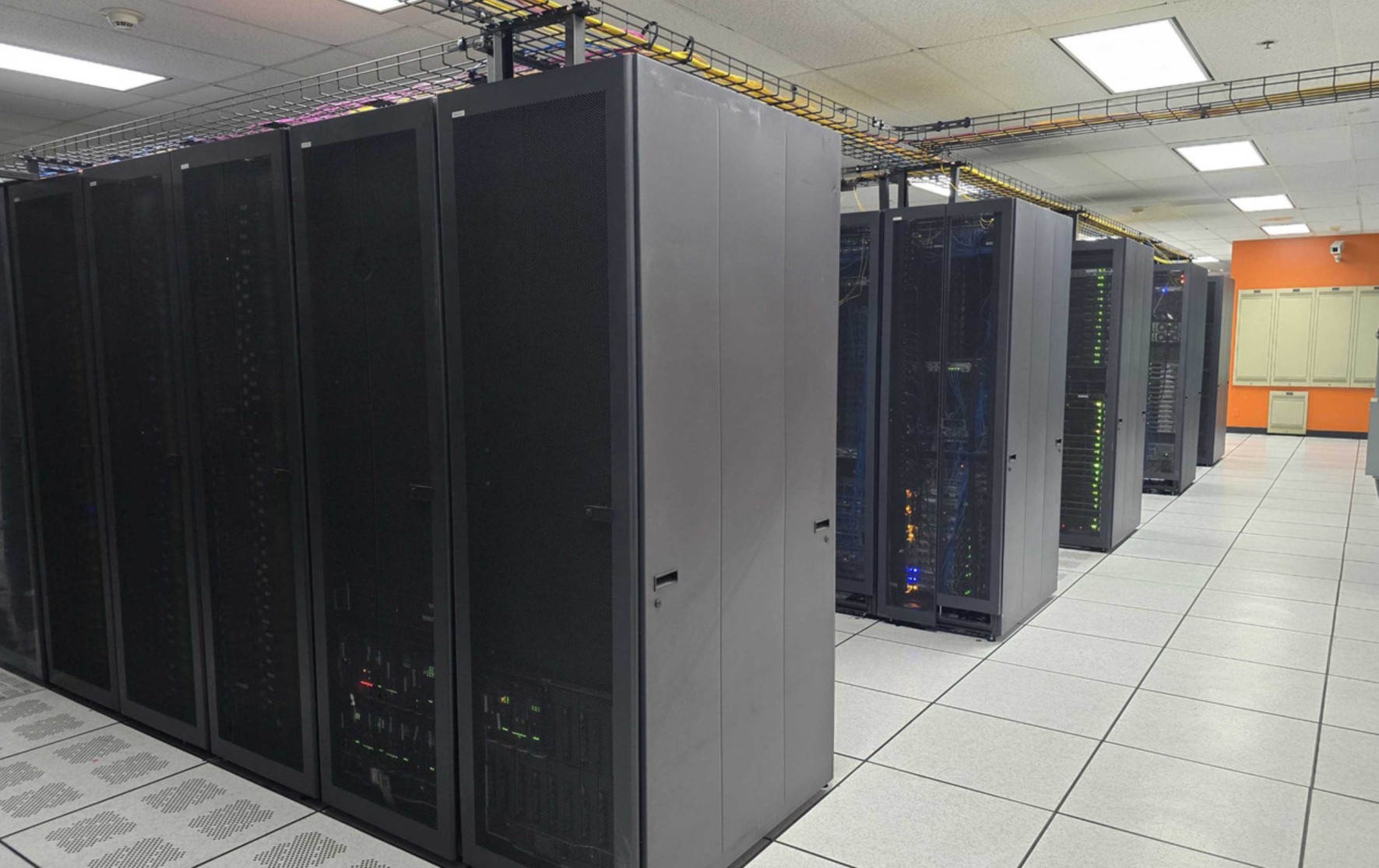
Colocation means you own your servers and rent space, power, cooling and network connectivity in a professional data center. You choose the hardware and configure it the way you need, while the data center handles physical security, power redundancy and bandwidth. For a deeper look, read our guide to what colocation is.
What Is Cloud Hosting?
Cloud hosting runs your workloads on a provider’s pooled infrastructure. You rent compute, storage and bandwidth on a monthly plan or pay-as-you-go, and you can scale resources up or down quickly. The provider owns and maintains the physical hardware.
Colocation vs Cloud Hosting at a Glance
Here is how you can copmare Colocation vs Cloud Hosting:
| Factor | Colocation | Cloud Hosting |
|---|---|---|
| Hardware ownership | You own it | The provider owns it |
| Control | Full control over hardware, OS and network | Control within the virtual layer |
| Cost model | Hardware plus a predictable monthly fee for space, power and bandwidth | Monthly plan or pay-as-you-go |
| Scaling | Adding hardware takes lead time | Near-instant |
| Performance | Dedicated resources, consistent performance | Shared pools, can vary with neighbouring workloads |
| Compliance | Easier to define exact physical custody and controls | Depends on the provider’s certifications |
When Colocation Makes Sense?
- Steady, predictable workloads. Over two to three years, a fixed monthly cost is often lower than on-demand billing for the same capacity.
- Specific compliance needs. Some regulations require particular hardware, physical custody or detailed audit trails.
- Heavy data or database workloads. Dedicated CPU, memory and storage give you consistent I/O.
- Existing hardware. You can move servers you already own instead of replacing them.
When Cloud Hosting Makes Sense
- Unpredictable traffic. If demand spikes and drops, elastic scaling avoids paying for idle capacity.
- Small teams. If you would rather not manage hardware, a cloud plan removes most of the physical maintenance.
- Early-stage products. Testing demand before committing to hardware keeps upfront costs low.
- Quick multi-region setups. Launching in several regions is typically faster on cloud platforms.
Cost: Compare the Total, Not the First Invoice
Cloud looks cheaper at the start because there is no hardware to buy. Over time, steady workloads often cost less on colocation or dedicated hardware, because you pay a fixed rate instead of paying for every hour of compute and every gigabyte of outbound traffic. Compare total cost over 24 to 36 months, including bandwidth, backups, support and staff time when checking Colocation vs Cloud Hosting.
Performance and Reliability
Cloud instances share underlying hardware, so performance can change with load on the same host. Colocated servers give you dedicated resources and full control over configuration of Colocation vs Cloud Hosting. Both models can be highly reliable when designed with redundancy. Colocation reliability depends on your hardware plan and the data center’s power and network redundancy. Cloud reliability depends on the provider’s availability zones and service level agreement.
Security and Compliance
Both models can meet strict standards, but responsibility is split differently. In colocation, you secure the operating system and applications, while the data center secures the building with access control, surveillance and fire suppression of Colocation vs Cloud Hosting. In cloud hosting, the provider secures the infrastructure and you secure your configuration and data. Whichever you choose, check the certifications the provider holds and map them to your own obligations.
A Simple Decision Framework
- Is your demand steady or spiky? Steady demand favours colocation. Spiky demand favours cloud.
- Do you need hardware-level control or defined physical custody? If yes, colocation is the better fit.
- Do you have in-house systems staff? If not, consider managed cloud or managed colocation.
- Model three-year total cost for both options using your real bandwidth, storage and staffing numbers.
- Consider a hybrid setup. Many businesses keep core databases in colocation and use cloud capacity for bursts.
How ColoCrossing Can Help
ColoCrossing offers colocation, dedicated servers and cloud VPS hosting across multiple data center locations, so you can match each workload to the model that fits it of Colocation vs Cloud Hosting. If you are not sure which option suits your setup, our team can help you compare them. You can also read our comparison of dedicated servers and VPS hosting to narrow your options.
Final Thoughts
Colocation gives you control and predictable costs at ColoCrossing. Cloud hosting gives you flexibility and speed. Start with your workload pattern, compliance requirements and three-year cost, and the right choice usually becomes clear when checking for Colocation vs Cloud Hosting.
