
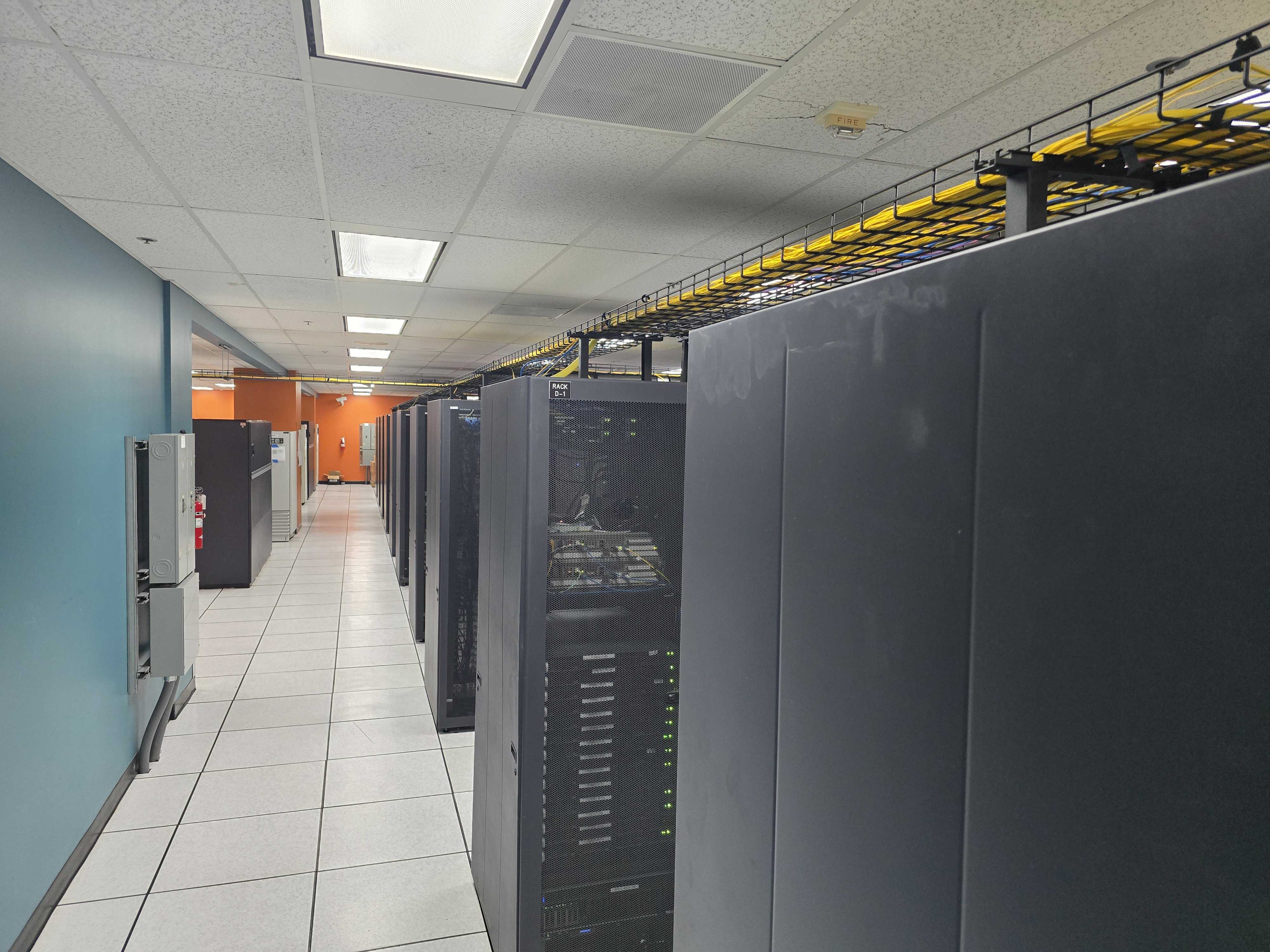
Bare Metal Dedicated Servers vs Virtual Servers | Performance, Security & Control Compared
As businesses become more data-driven and application-heavy, choosing the right server infrastructure has become a strategic decision rather than a purely technical one. Whether you’re running a high-traffic website, a SaaS platform, an eCommerce store, or mission-critical enterprise software, the hosting environment you choose can directly impact performance, security, scalability, and operational costs.
Two of the most commonly compared options are bare metal dedicated servers and virtual servers (VPS). While both can host applications and services effectively, they are built on very different architectural foundations.
This long-form guide provides a deep comparison of bare metal dedicated servers vs virtual servers, covering performance, security, control, cost, scalability, and real-world use cases. By the end, you’ll clearly understand which option aligns best with your business goals.
Understanding Server Hosting Basics
Before diving into comparisons, it’s important to understand what server hosting actually means. A server is a powerful computer designed to store data, run applications, and deliver content to users over the internet or private networks. Hosting providers maintain these servers in secure data centers, ensuring power redundancy, cooling, connectivity, and physical security. The way server resources are allocated—whether fully dedicated or shared through virtualization—defines the type of hosting.
What Are Bare Metal Dedicated Servers?
Bare metal dedicated servers are physical servers leased to a single customer. Every hardware component—processor, memory, storage, and network interface—is exclusively reserved for that customer.
Unlike virtualized environments, bare metal servers do not use a hypervisor to divide resources among multiple users. Applications run directly on the hardware, offering raw performance and predictable behavior.
Key Characteristics of Bare Metal Dedicated Servers
- Exclusive access to physical hardware
- No resource sharing or “noisy neighbor” issues
- Full root or administrative access
- Customizable hardware configurations
- Ideal for performance-intensive workloads
What is Bare Metal Dedicated Server Hosting?
Bare metal dedicated server hosting refers to a managed or unmanaged service where a provider deploys, maintains, and supports physical servers while giving customers full control over the software environment. This model is commonly used by enterprises, SaaS providers, gaming platforms, financial institutions, and organizations with compliance requirements.
What are Virtual Servers (VPS)?
A Virtual Private Server (VPS) is created by dividing a physical server into multiple virtual machines using a hypervisor such as KVM, VMware, or Hyper-V. Each virtual server operates independently, with its own operating system and allocated resources. However, the underlying hardware is shared with other VPS users.
Key Characteristics of Virtual Servers
- Shared physical hardware
- Lower cost compared to dedicated solutions
- Faster provisioning
- Suitable for small to medium workloads
VPS hosting is popular among startups, developers, bloggers, and small businesses due to its affordability and flexibility.
Bare Metal vs VPS: Architectural Differences
Understanding the architectural difference between bare metal vs VPS helps explain why performance and security vary so significantly.
Bare Metal Architecture
- One physical server = one customer
- No virtualization layer
- Direct hardware access
- Predictable resource usage
VPS Architecture
- One physical server = multiple customers
- Virtualization layer divides resources
- Shared CPU, memory, and I/O
- Performance depends on resource allocation
This core difference influences everything from speed to security.
Performance Comparison: Bare Metal Dedicated Servers vs Virtual Servers
Bare Metal Dedicated Servers Performance
Bare metal servers deliver maximum performance because applications run directly on physical hardware.
Benefits include:
- No virtualization overhead
- Lower latency
- Higher throughput
- Consistent performance under heavy loads
They are ideal for:
- High-traffic websites
- Large databases
- Real-time analytics
- AI/ML workloads
- Media streaming
Virtual Server Performance
Virtual servers can perform well for moderate workloads, but performance may fluctuate.
Limitations include:
- Shared CPU cycles
- Disk I/O contention
- Hypervisor overhead
While VPS hosting is adequate for many use cases, it cannot match the raw power of fully dedicated servers.
Performance Verdict: Bare metal dedicated servers clearly outperform virtual servers.
Security Comparison: Dedicated Server vs Bare Metal vs VPS
Security is a top concern for businesses handling sensitive data.
Security Benefits of Bare Metal Dedicated Servers
- Physical isolation from other customers
- No shared hypervisor vulnerabilities
- Full control over firewall and security policies
- Easier compliance with regulations
Bare metal is often required for:
- Financial services
- Healthcare data
- Government workloads
- PCI-DSS, HIPAA, and SOC-compliant environments
VPS Security Considerations
- Shared infrastructure increases risk
- Hypervisor vulnerabilities can affect multiple users
- Limited control over underlying hardware
Security Verdict: For organizations prioritizing data protection, bare metal dedicated servers provide a safer environment.
Control and Customization
Bare Metal Dedicated Servers
Bare metal offers complete control:
- Choose any operating system
- Install custom kernels
- Configure storage and networking
- Optimize hardware for specific workloads
This level of customization is essential for enterprises and advanced applications.
Virtual Servers
VPS environments offer limited customization:
- Restricted kernel access
- Fixed resource allocations
- Limited hardware tuning
Control Verdict: Bare metal dedicated server hosting offers unmatched flexibility and control.
Scalability and Flexibility
VPS Scalability
Virtual servers excel in scalability:
- Resources can be increased quickly
- Ideal for unpredictable traffic
- Minimal downtime
Bare Metal Scalability
Bare metal servers require physical upgrades:
- Scaling may take more time
- Best for stable, high-demand workloads
Scalability Verdict: VPS is more flexible for rapid scaling, while bare metal is better for consistent performance.
Cost Comparison: Bare Metal vs VPS
VPS Costs
- Lower monthly pricing
- Ideal for startups and small projects
- Pay only for what you use
Bare Metal Dedicated Server Costs
- Higher upfront cost
- Better ROI for heavy workloads
- Predictable pricing
While VPS is cheaper initially, bare metal dedicated servers offer better long-term value for performance-critical applications.
Dedicated Server vs Bare Metal: Are They the Same?
This is a common question.
- Traditional dedicated servers may use virtualization internally
- Bare metal servers guarantee no virtualization layer
In modern hosting, bare metal is considered the purest form of fully dedicated servers.
Use Cases for Bare Metal Dedicated Servers
Choose bare metal if you need:
- High-performance computing
- Enterprise applications
- Large-scale databases
- AI and machine learning
- Compliance-driven workloads
Use Cases for Virtual Servers
Choose VPS if you need:
- Small to medium websites
- Development and testing environments
- Budget-friendly hosting
- Rapid scalability
Bare Metal vs VPS: Industry-Specific Examples
- eCommerce: Bare metal ensures fast load times and secure transactions.
- SaaS Platforms: Dedicated resources guarantee uptime and performance.
- Gaming Servers; Low latency and consistent performance favor bare metal.
- Startups: VPS offers affordability and flexibility during early growth.
Managed vs Unmanaged Hosting
Both bare metal and VPS can be managed or unmanaged.
- Managed hosting : Provider handles maintenance
- Unmanaged hosting: Full customer responsibility
Enterprises often choose managed bare metal dedicated server hosting to reduce operational overhead.
Choosing the Right Solution for Your Business
Ask yourself:
- Do I need consistent high performance?
- Is data security critical?
- Do I require full hardware control?
- Is rapid scaling more important than raw power?
Your answers will guide your choice between bare metal dedicated servers vs virtual servers.
Future Trends: Bare Metal and Virtualization
Modern infrastructure is evolving:
- Bare metal combined with automation
- Hybrid cloud environments
- On-demand bare metal provisioning
These trends make bare metal more accessible than ever.
Final Verdict: Bare Metal Dedicated Servers vs Virtual Servers
There is no one-size-fits-all solution.
- Choose bare metal dedicated servers for performance, security, and control
- Choose virtual servers for affordability and flexibility
For enterprises and high-demand applications, fully dedicated servers remain the gold standard.
FAQs
What is the main advantage of bare metal dedicated servers?
Exclusive hardware access delivers superior performance and security.
Is bare metal better than VPS?
Yes, for performance-intensive and compliance-driven workloads.
Can I scale bare metal servers?
Yes, though scaling may require hardware upgrades.
Who should use VPS hosting?
Startups, developers, and small businesses with moderate workloads.
What is the main difference between bare metal dedicated servers and VPS?
Bare metal dedicated servers provide exclusive access to physical hardware, while VPS shares resources through virtualization.
Are bare metal dedicated servers expensive?
They cost more than VPS but deliver better performance and long-term value for enterprise workloads.
Who should use fully dedicated servers?
Enterprises, SaaS providers, financial institutions, and businesses with high-traffic or sensitive data requirements.
ColoCrossing excels in providing enterprise Colocation Services, Dedicated Servers, VPS, and a variety of Managed Solutions, operating from 10 data center locations nationwide. We cater to the diverse needs of businesses of any size, offering tailored solutions for your unique requirements. With our unwavering commitment to reliability, security, and performance, we ensure a seamless hosting experience.
For Inquiries or to receive a personalized quote, please reach out to us through our contact form here or email us at sales@colocrossing.com.

