
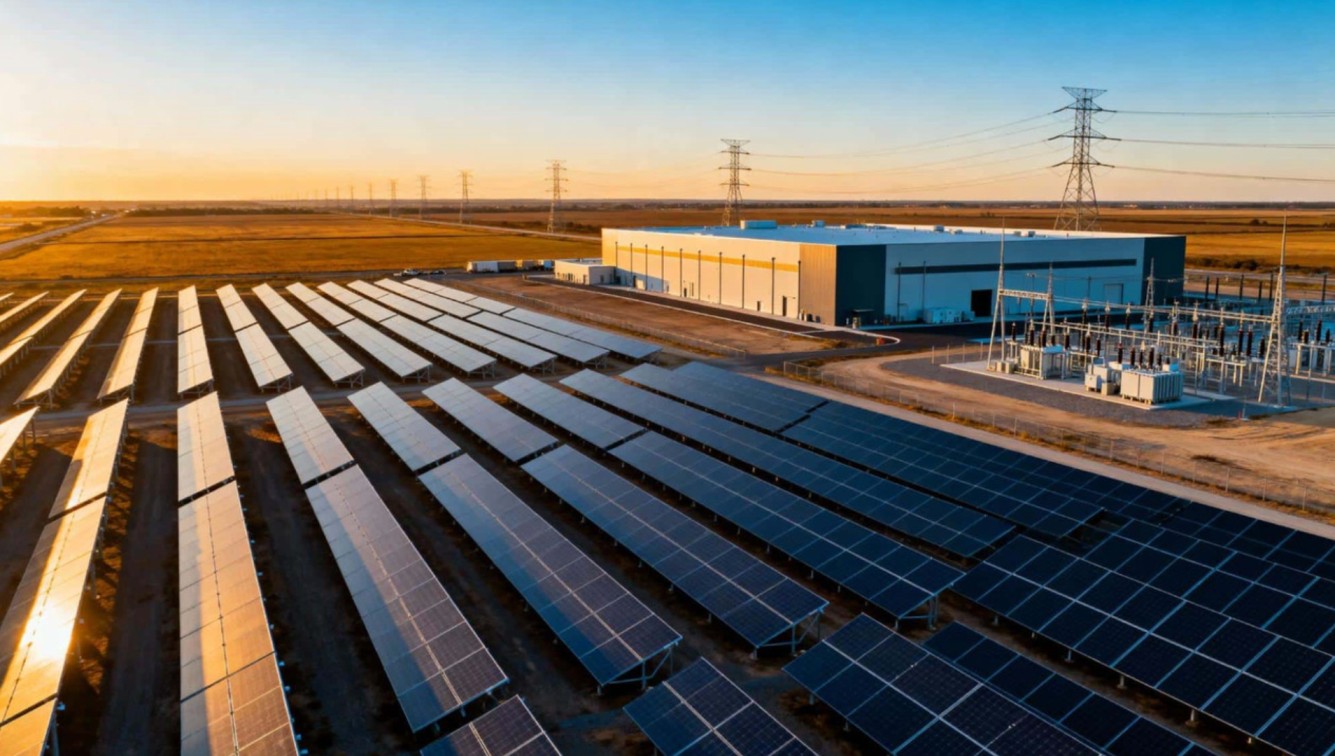
How sustainable Colocation 2026 can reduce energy and improve efficiency?
Businesses are increasingly relying on robust IT infrastructure to support growth, performance, and customer satisfaction. However, the demands of modern computing come with significant energy consumption and environmental impact. Sustainable Colocation 2026, Many organizations are now looking for ways to reduce their carbon footprint while optimizing operational efficiency. One solution that is gaining considerable attention is server colocation, which not only helps streamline IT operations but also reduces energy consumption and enhances overall efficiency. At ColoCrossing, we are proud to provide colocation solutions that integrate sustainable practices, cost-effective operations, and high-performance infrastructure to help businesses meet both technological and environmental goals.
The Environmental Challenge of Traditional IT Operations
Maintaining on-premises servers comes with a range of challenges, particularly in energy consumption and environmental impact. Running servers 24/7 requires continuous electricity to power hardware and keep it cool. The average enterprise server consumes between 400 to 1,200 watts per hour depending on its configuration, and in large IT deployments, this adds up quickly. Sustainable Colocation 2026, this energy demand is often accompanied by the need for sophisticated cooling systems, further increasing electricity use and operational costs.
Moreover, inefficient energy use has broader consequences. Traditional server setups often rely on electricity derived from non-renewable sources, contributing to carbon emissions and environmental degradation. Companies operating multiple sites with outdated or poorly optimized infrastructure may inadvertently increase their carbon footprint while paying higher energy bills. For businesses seeking to scale sustainably, these challenges make on-premises hosting less appealing.
Sustainable Colocation 2026 provides a compelling alternative. By shifting IT workloads to purpose-built data centers, organizations can leverage shared infrastructure designed for energy efficiency, environmentally conscious operations, and high reliability.
What makes Colocation energy efficient?
Colocation involves housing your servers and IT equipment in a third-party data center rather than on your premises. Efficient colo environments are designed to optimize energy usage across all aspects of operations, including server performance, cooling, power distribution, and network connectivity. Here is how sustainable colocation 2026 improves energy efficiency:
1. Economies of Scale: Data centers consolidate IT resources for multiple clients, creating opportunities to share energy-intensive resources efficiently. Instead of each company powering and cooling its own small server room, a shared environment distributes energy demand across multiple tenants. This reduces energy waste and increases overall utilization rates. ColoCrossing’s data centers are specifically designed to maximize this efficiency, allowing our clients to benefit from high-density deployment without the energy overhead that comes with smaller, isolated server rooms.
2. Optimized Cooling Systems: Cooling is one of the largest contributors to a data center’s energy consumption. In traditional server rooms, air conditioning units often run inefficiently, overcooling some areas while leaving hotspots in others. In contrast, modern sustainable colocation 2026 facilities use advanced cooling techniques such as hot and cold aisle containment, liquid cooling, and high-efficiency air handling units. By directing airflow strategically and avoiding unnecessary overcooling, these systems reduce electricity consumption while maintaining optimal operating temperatures for servers.
At ColoCrossing, we implement precision cooling in all our facilities. Our Buffalo data center, in particular, benefits from innovative designs that enhance airflow and reduce power required for cooling, allowing clients to maintain their infrastructure reliably while lowering their energy footprint.
3. Renewable Energy Integration: One of the most compelling aspects of energy-efficient and sustainable colocation 2026 is the potential to integrate renewable energy sources. Many modern data centers, including those operated by ColoCrossing, are actively leveraging environmentally friendly energy to power operations. Thanks to the hydroelectric capabilities provided by Niagara Falls, our Buffalo data center benefits from inexpensive, renewable electric power. This means our clients enjoy more affordable energy costs while hosting their servers in a green infrastructure environment.
4. Advanced Power Management: Efficient and sustainable colocation 2026 facilities employ intelligent power distribution units and monitoring systems to manage energy consumption at the device level. By tracking usage in real time and optimizing power delivery, data centers reduce waste and improve the efficiency of servers, storage, and network equipment. These systems allow us to identify underutilized resources, rebalance workloads, and implement power-saving measures without affecting performance or uptime.
5. High-Density Rack Utilization: High-density server deployment is another key factor in improving energy efficiency. By consolidating more servers per rack and optimizing space utilization, data centers reduce the physical footprint needed for operations. This decreases the energy required for both cooling and power distribution. ColoCrossing’s facilities are engineered for high-density workloads, giving clients the flexibility to scale while keeping energy costs predictable and manageable.
Financial and Operational Advantages
While environmental considerations are important, efficient and sustainable colocation 2026 also delivers tangible financial and operational benefits. By reducing energy consumption and improving efficiency, businesses can lower operational expenses and redirect resources to strategic initiatives.
Lower Energy Costs
Electricity is a major operating expense for organizations running on-premises servers. By leveraging the energy efficiency of sustainable colocation 2026 facilities, companies can dramatically reduce these costs. Our Buffalo data center, powered by hydroelectric energy, exemplifies how integrating renewable power sources can both cut expenses and support sustainability. The resulting cost savings make high-performance IT infrastructure more accessible, especially for small and medium-sized businesses that might not have the budget to invest in energy-intensive server rooms.
Reduced Maintenance Burden
Colocation providers maintain critical infrastructure on behalf of their clients, including power distribution, cooling systems, and physical security. By outsourcing these responsibilities, businesses free their internal teams from day-to-day maintenance tasks and can focus on core operations. Efficient and sustainable colocation 2026 also minimizes downtime due to energy or cooling failures, ensuring consistent performance and reducing the risk of costly interruptions.
At ColoCrossing, our Remote Hands team takes this support a step further by providing on-site technical assistance whenever it is needed. Whether it is performing hardware replacements, troubleshooting connectivity issues, or assisting with rack configuration, our trained technicians are available to handle tasks quickly and efficiently. This means clients can rely on expert assistance without having to travel to the data center themselves, ensuring that operations continue smoothly and any potential disruptions are resolved immediately. The combination of managed infrastructure and hands-on support allows businesses to operate with confidence, knowing that every aspect of their sustainable colocation 2026 environment is actively monitored and maintained by professionals.
Scalability Without Waste
Traditional IT environments often face a tradeoff between performance and energy efficiency. Expanding capacity requires additional servers, power, and cooling, which can be costly and inefficient. Sustainable colocation 2026 facilities, designed for high-density and energy-efficient operation, allow businesses to scale infrastructure without significantly increasing energy usage. Our clients can add racks or servers as needed, confident that the facility’s systems handle the additional load efficiently.
Sustainability as a Business Advantage
Sustainability has moved from being a “nice to have” to a business imperative. Organizations are increasingly expected to demonstrate environmental responsibility, both to customers and regulatory bodies. Hosting infrastructure in energy-efficient, green data centers aligns IT operations with broader corporate sustainability goals.
- Data Center Sustainability: Data center sustainability encompasses initiatives to reduce energy consumption, integrate renewable power, and implement environmentally responsible operations. By choosing sustainable colocation 2026 providers with a commitment to sustainable practices, companies can reduce their environmental impact without compromising performance. ColoCrossing’s investment in green infrastructure, like our hydroelectric-powered Buffalo facility, is an example of how sustainable operations benefit both clients and the planet. Businesses can confidently state that their digital operations are environmentally conscious, which can be a differentiator in competitive markets.
- Reducing Carbon Footprint: Every kilowatt-hour saved translates into a reduction in greenhouse gas emissions. Efficient and sustainable colocation 2026 facilities achieve this by optimizing power usage, employing high-efficiency cooling systems, and sourcing renewable energy. Clients using our facilities contribute to a lower carbon footprint while enjoying robust, high-performance infrastructure. This approach allows organizations to meet ESG targets while maintaining scalable IT solutions.
- Compliance and Reporting: Many industries require reporting on environmental impact and energy consumption. Efficient and sustainable colocation 2026 makes it easier to track and report energy usage at the server, rack, and facility levels. Monitoring tools provide detailed insights, enabling clients to demonstrate compliance with regulations or sustainability initiatives. At ColoCrossing, we provide transparent reporting on power usage effectiveness and energy sources, giving clients a clear picture of their infrastructure’s efficiency.
How ColoCrossing delivers efficient Colocation?
At ColoCrossing, our mission is to deliver sustainable colocation 2026 solutions that balance performance, reliability, and environmental responsibility. Across our facilities, we implement best practices in infrastructure design, energy management, and client services to ensure that businesses experience the full benefits of efficient and sustainable colocation 2026.
- Enterprise-Grade Infrastructure: Our data centers are built with enterprise-grade hardware, redundant power distribution, and high-capacity network connectivity. This ensures that clients receive consistent, high-performance operations without the energy waste associated with outdated or inefficient equipment. By investing in modern infrastructure, we reduce the energy cost per compute unit and improve overall operational efficiency.
- Strategic Location Advantages: Location plays a critical role in energy efficiency and sustainability. Our Buffalo data center leverages hydroelectric power from Niagara Falls, providing a renewable, cost-effective electricity source. Similarly, our other facilities are strategically located to optimize energy efficiency, network connectivity, and operational reliability. Clients benefit from reduced latency, lower energy costs, and access to resilient infrastructure.
- Client-Centric Solutions: Colocation is not a one-size-fits-all proposition. We work closely with clients to determine the right configuration, density, and energy usage for their workloads. This tailored approach ensures that every client’s infrastructure operates efficiently, without over-provisioning resources or incurring unnecessary energy costs. Our team provides guidance on rack density, power allocation, and cooling requirements to maximize both performance and efficiency.
- Advanced Monitoring and Management: Efficient and sustainable colocation 2026 requires precise monitoring and management. Our facilities employ sophisticated systems to track energy usage, server performance, and environmental conditions in real time. Alerts and analytics allow our team to proactively address inefficiencies, balance workloads, and prevent overconsumption. Clients have access to monitoring dashboards and reports, enabling informed decisions about resource usage and optimization.
- Commitment to Green Practices: Sustainability is embedded in our operational philosophy. Beyond leveraging hydroelectric power, we prioritize recycling, responsible equipment disposal, and energy-efficient facility design. Our commitment to green infrastructure ensures that clients benefit from environmentally responsible hosting solutions while meeting business and regulatory objectives.
The Role of Colocation in the Future of IT
As technology evolves, the demand for energy-efficient IT infrastructure will continue to grow. Emerging trends such as artificial intelligence, machine learning, and edge computing require high-performance, scalable, and reliable servers. Meeting these demands while maintaining sustainability requires advanced infrastructure solutions, and sustainable colocation 2026 is well-positioned to meet this challenge.
- Supporting High-Performance Workloads: High-density workloads, particularly those involving AI or real-time analytics, consume significant energy. By hosting these workloads in purpose-built sustainable colocation 2026 facilities, organizations reduce energy overhead while maintaining peak performance. Our data centers are equipped to handle demanding applications, ensuring that energy efficiency does not come at the expense of computational power.
- Driving Innovation Through Sustainability: Efficiency and sustainability are not just operational concerns. They drive innovation. Businesses that embrace efficient and sustainable colocation 2026 can redirect resources from infrastructure management to product development, customer engagement, and digital transformation. Colocation facilities like ColoCrossing’s empower companies to innovate responsibly, aligning environmental goals with business growth.
- Long-Term Cost and Energy Savings: Investing in energy-efficient and sustainable colocation 2026 delivers long-term savings in both operational costs and environmental impact. Reduced energy consumption translates into lower electricity bills, smaller carbon footprints, and more predictable operating expenses. As energy prices fluctuate and sustainability expectations rise, businesses that leverage efficient colocation will enjoy a competitive advantage.
Get Started with ColoCrossing Today
Colocation represents a powerful strategy for organizations seeking to improve energy efficiency, reduce costs, and support sustainability initiatives. By hosting servers in purpose-built, energy-conscious data centers, businesses gain access to high-performance infrastructure, advanced cooling systems, and renewable energy sources. At ColoCrossing, we are committed to delivering efficient and sustainable colocation 2026 solutions that combine performance, reliability, and environmental responsibility.
Our Buffalo data center exemplifies the benefits of this approach. Powered by hydroelectric energy from Niagara Falls, the facility provides affordable, environmentally friendly electricity to support our clients’ workloads. Across all our locations, we prioritize infrastructure efficiency, intelligent power management, and green practices, enabling businesses to scale without compromising performance or sustainability.
Choosing sustainable colocation 2026 is more than just a technology decision. It is a commitment to operational excellence and responsible resource management. Whether you are looking to consolidate IT operations, reduce energy consumption, or embrace sustainable hosting practices, ColoCrossing provides the expertise, infrastructure, and support to help your business thrive. By leveraging efficient colocation, companies achieve the perfect balance of performance, cost savings, and environmental stewardship, ensuring a future-ready IT strategy that aligns with both business objectives and sustainability goals. Contact us today to LEARN MORE about how our colocation solutions can help you optimize performance, reduce costs, and support your sustainability goals.
ColoCrossing provides enterprise-grade colo and colocation solutions designed for reliability, security, and scalability. Our infrastructure supports high-performance bare metal server deployments, including bare metal dedicated server and bare metal dedicated servers built for demanding workloads. With industry-leading dedicated hosting , we deliver some of the best dedicated server hosting options backed by robust networks and expert support. Whether you need flexible dedicated server hosting , a powerful dedicated server , or fully managed dedicated servers , ColoCrossing delivers dependable performance and full control to power your business.
ColoCrossing excels in providing enterprise Colocation Services, Dedicated Servers, VPS, and a variety of Managed Solutions, operating from 10 data center locations nationwide. We cater to the diverse needs of businesses of any size, offering tailored solutions for your unique requirements. With our unwavering commitment to reliability, security, and performance, we ensure a seamless hosting experience.
For Inquiries or to receive a personalized quote, please reach out to us through our contact form here or email us at sales@colocrossing.com.

